
People are hurt by for-profit cash bail.
We believe people are innocent until proven guilty, and most Americans agree with this principle. Locking innocent people up for days, weeks, months and even years while they await trial is contrary to the principles on which our country was founded. Punishment should follow a guilty verdict, not precede it.

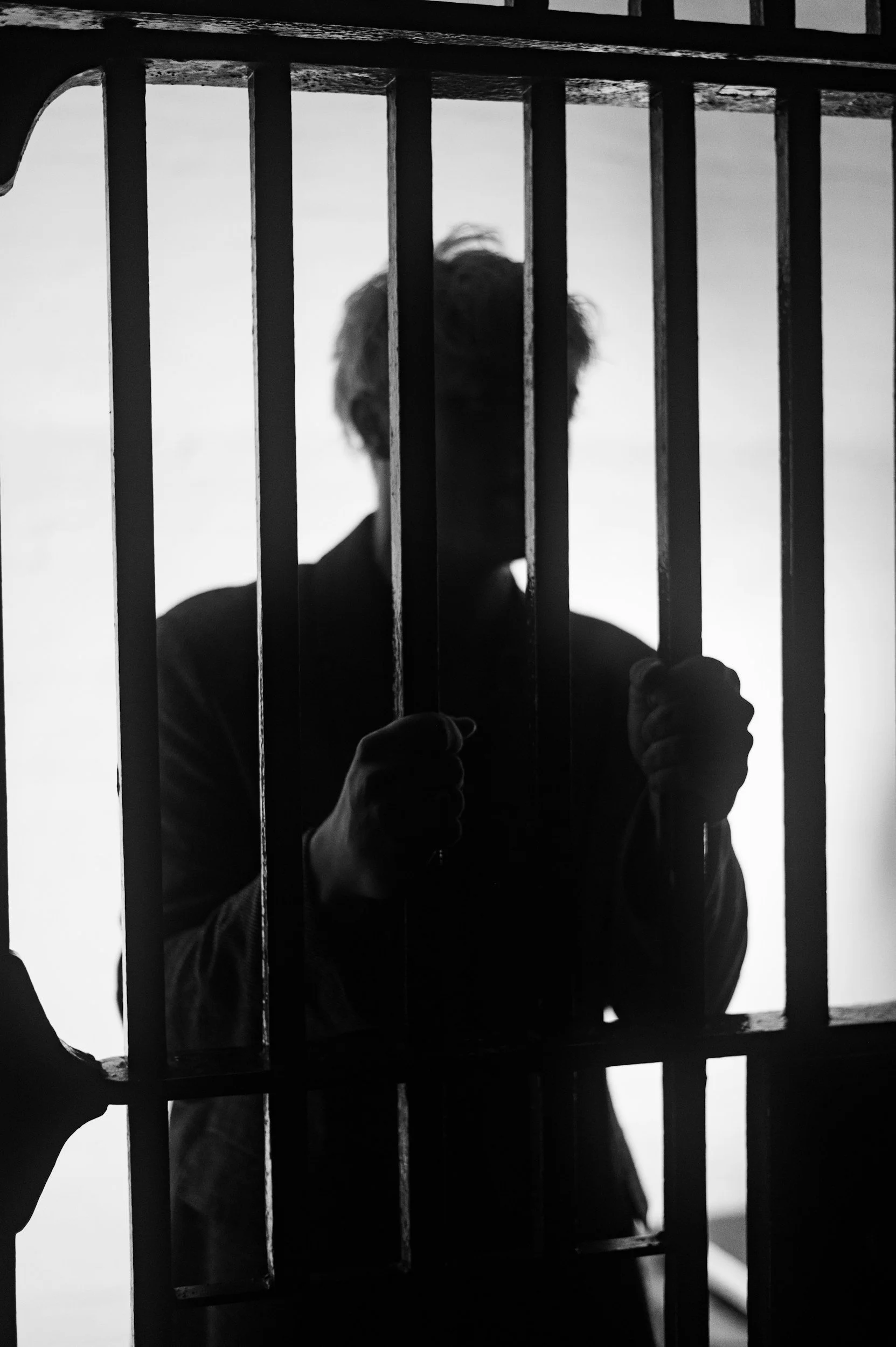
Family impact
Do you lose your job because you don’t show up for work?
Are you evicted because you stopped paying rent? What happens to all your belongings?
Do you lose your car after missing car payments?
What happens to your children if you are not there to care for them or provide for them? What happens to your pets?
Do you require medication? It is likely not available in jail.
Jails limit the amount of time you can communicate with family and friends, often to 30 minutes per week. You feel isolated, alone and depressed. You're treated as if you had been convicted of a crime.
Jails can be overcrowded and under staffed, which means an increased use of “lockdown” procedures where even in a dormitory setting, you are required to stay at your bunk or pallet bed for most of the day. This can lead to many frustrated people in a small, enclosed space and is dangerous for the inmates and the staff.
If you are accused of a minor crime and stuck in jail because you can’t afford bail. How does this affect you and your family?
Explore the harms
-
For 28-year-old Sandra Bland, who died in a Waller County, Texas, jail, unaffordable bail played a key role in the path from a traffic stop for a failure to signal to tragedy. Bland was pulled over for a traffic violation in 2015 by Texas State Trooper Brian Encinia. The exchange escalated, resulting in Bland's arrest and a charge of assaulting a police officer. Encinia was placed on administrative leave for failing to follow proper traffic stop procedures and was later fired from his job. At the time of her death, Bland had spent three days in jail, unable to raise $515 to pay a bail company to post bond. She was one of hundreds of people who had not been convicted that year who lost their lives in jails.
-
Most criminal charges (80%) are for non violent misdemeanors, and most people can pay the associated fines and fees, but not the poor.
Those charged often have to appear in court multiple times before their case is resolved because the courts are underfunded, understaffed and backlogged.
Many people in jail suffer from mental health or substance abuse challenges. They do not get treatment while detained in jail.
Most people in jail cannot readily afford bail, only about one third of those arrested are able to bond out immediately.
Almost all people who plead guilty to a crime do so through a plea deal, not a trial. The District Attorney can hold someone in jail pretrial, indefinitely, until they plead guilty to something. This is coercion.
Pretrial detention should only be required for people who pose a threat to public safety or who would willfully flee the state. The vast majority of people detained do not fit this profile.
-
Each day, around 730,000 people sit in county or city jails in the United States, (at taxpayer expense), representing about one third of all people incarcerated. Every year, 7 million people spend time in jail, often for days, weeks, or months while they await trial. Seventy (70%) of those detained pretrial are classified as minimum security nonviolent. At least 1 in 4 people who go to jail will be arrested again within the same year — often those dealing with poverty, mental illness, and substance use disorders, whose problems only worsen with incarceration. Currently, our nation spends far more to incarcerate people than it would cost to provide programs which would help them address health or economic challenges. Many in jail were unhoused when arrested.
Our current system in North Carolina is affected by underfunded State courts (which means it takes far longer than it should for cases to be heard and resolved), a predilection by judges to prefer financial conditions of release regardless of the reason for arrest or ability to pay, and a willingness by counties to build ever larger jails instead of investing in programs which help poor people show up for their next court hearing or avoid arrest in the first place.
Other States have demonstrated the wisdom of reform and experienced reductions in jail populations, significant savings in public investment, healthier communities, and improved public safety.
-
American taxpayers spend over $22 billion dollars per year incarcerating people who have not yet been convicted of any crime. On average, it costs between $100 and $120 per day to keep someone in jail. Over the last 20 years, counties across North Carolina have spent approximately $1.5 billion on building and maintaining their jails. As an example, Wake County, NC, is currently budgeting over $172 million to reconfigure and expand their jail, even as the ability to staff the jails is getting more difficult because of the shortage of workers and in lieu of other priorities for public schools, human services and housing. Other counties of similar size in the US have been able to avoid this added expense by expanding pretrial services. Typically, the cost of building a new jail is matched by the cost of staffing and running it for 3-4 years.
Community solutions in action
Across North Carolina, communities are already working to reduce the harm of cash bail.
New bail fund in Greensboro (from the Greensboro News)
GREENSBORO, N.C. (WGHP) — A young man who sat inside the Guilford County Detention Center (GCDC) for nine days was surprised to learn a local nonprofit paid his bail so he could go home while he waits on his court date. The man, who didn’t want to be identified, faces only minor charges but could not afford the $500 to get out. That’s where the Almond Connection comes in. It’s a local group focused on helping formerly incarcerated people regain control of their lives. The local nonprofit, in conjunction with the public defender’s office, worked together to identify the young man who agreed to participate in a two-year program to help him get his life on track. He was able to leave the GCDC and walk into a better future. Unable to afford the $500 bail bond fee, he had spent the past week and a half incarcerated, awaiting a court date.
The state's bail system is a "scam," "immoral," and in need of "massive change."
VETERAN NC JUDGES
“I personally think the bail bondsmen are leeches on the criminal justice system in terms of taking advantage of poor, disadvantaged people who find themselves in some situation with the law. It is almost to the point of being immoral, especially as it deals with the relatively minor, nonviolent offenses.”
— Former Wake County Superior Court Judge Donald W. Stevens’ Assessment of Cash Bail
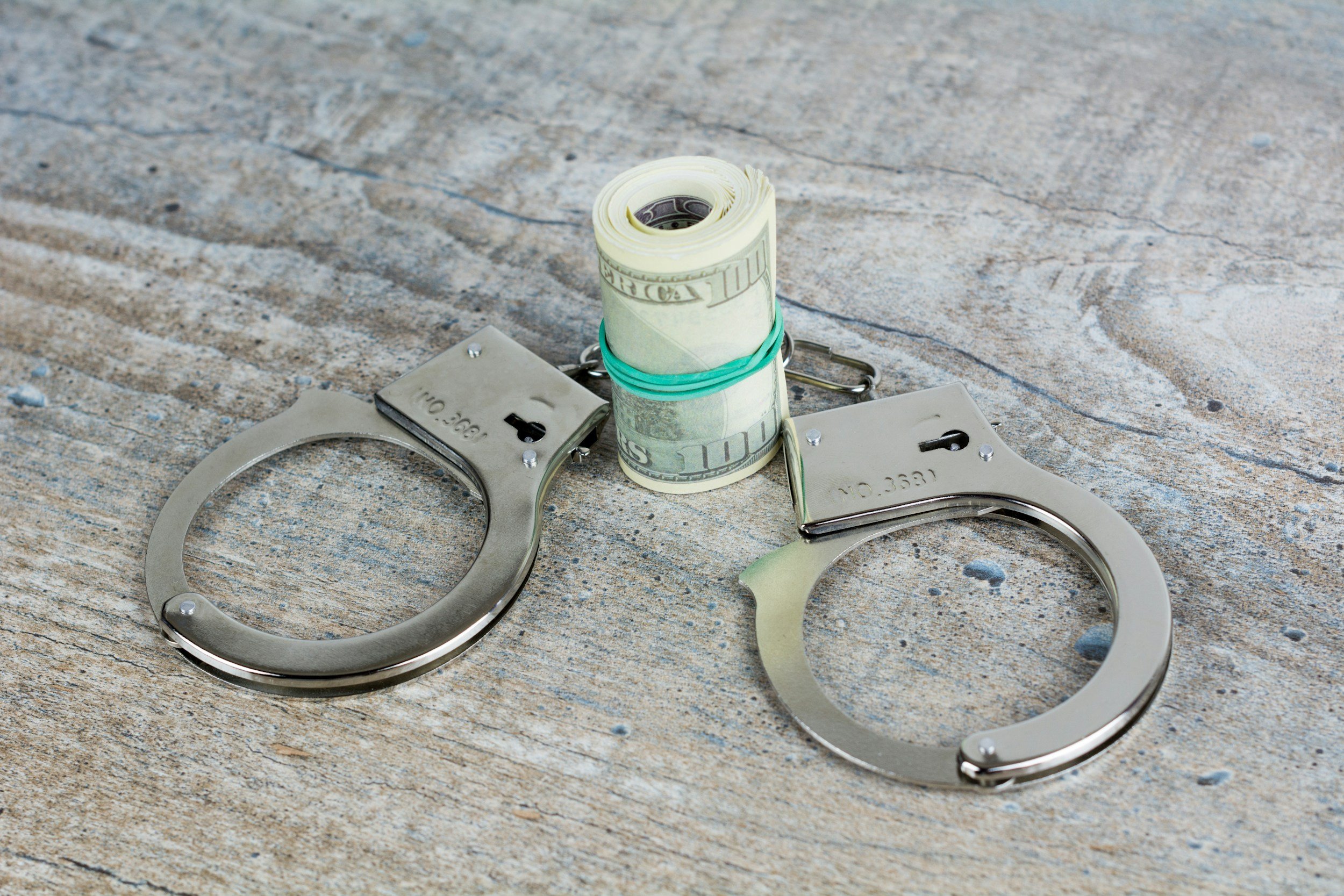
"The system was never designed to operate as it presently does, but the bail industry has such influence with the North Carolina General Assembly that it has allowed a corrupt system to develop that is dangerous to both the accused and the justice system itself." From 2002 to 2016 the NC Bail Bond Association made over $350,000 in political contributions.